The Science of Social Connection, and Why Your ERGs Matter More Than You Think
In a world obsessed with productivity, performance, and optimisation, one of the most powerful drivers of human wellbeing is often overlooked:
Social connection.
Not just casual interaction. Not Slack messages.
But meaningful, face-to-face relationships.
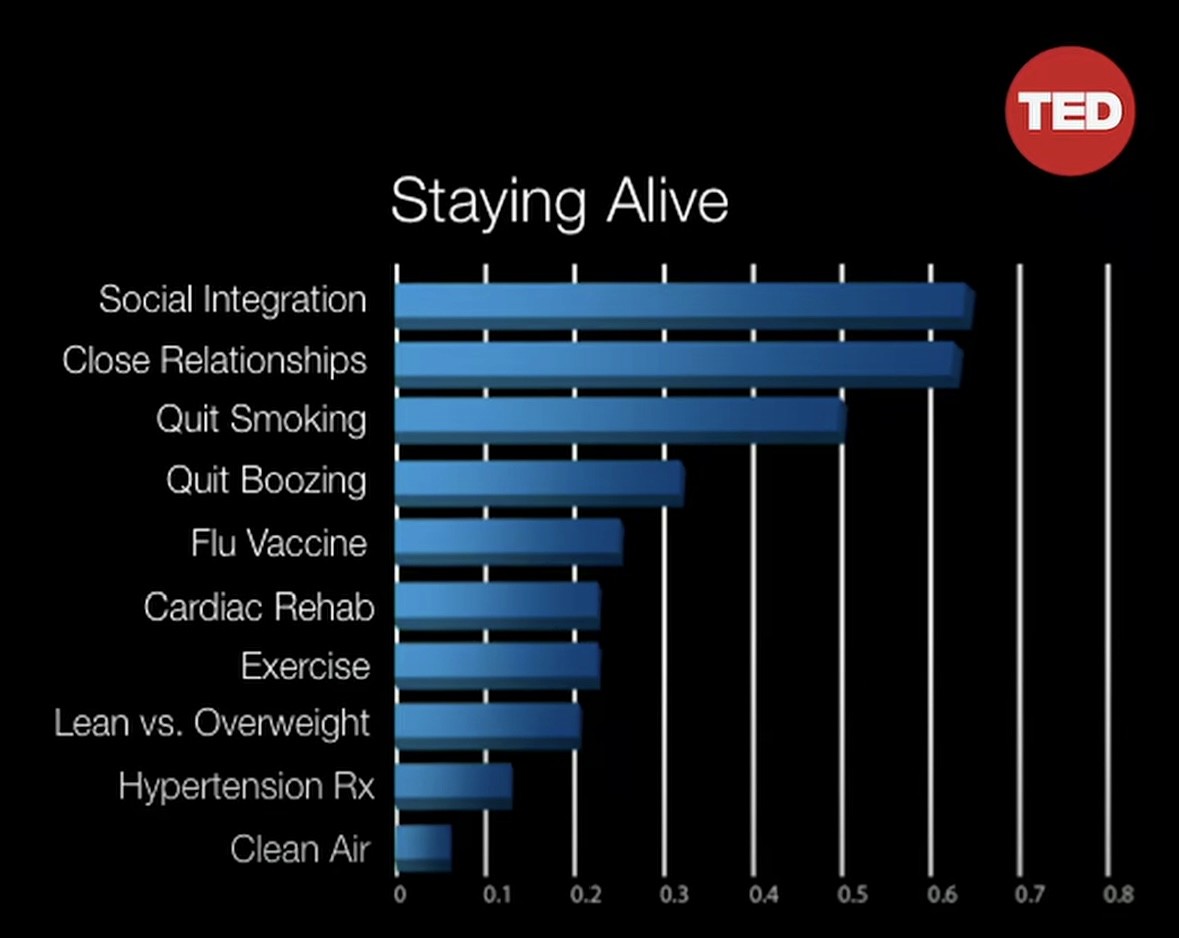
Research has increasingly shown that strong social ties are one of the most important predictors of long-term health and wellbeing — even more than factors like exercise or diet.
So what does this have to do with the workplace?
More than most companies realise.
The Hidden Power of Social Connection
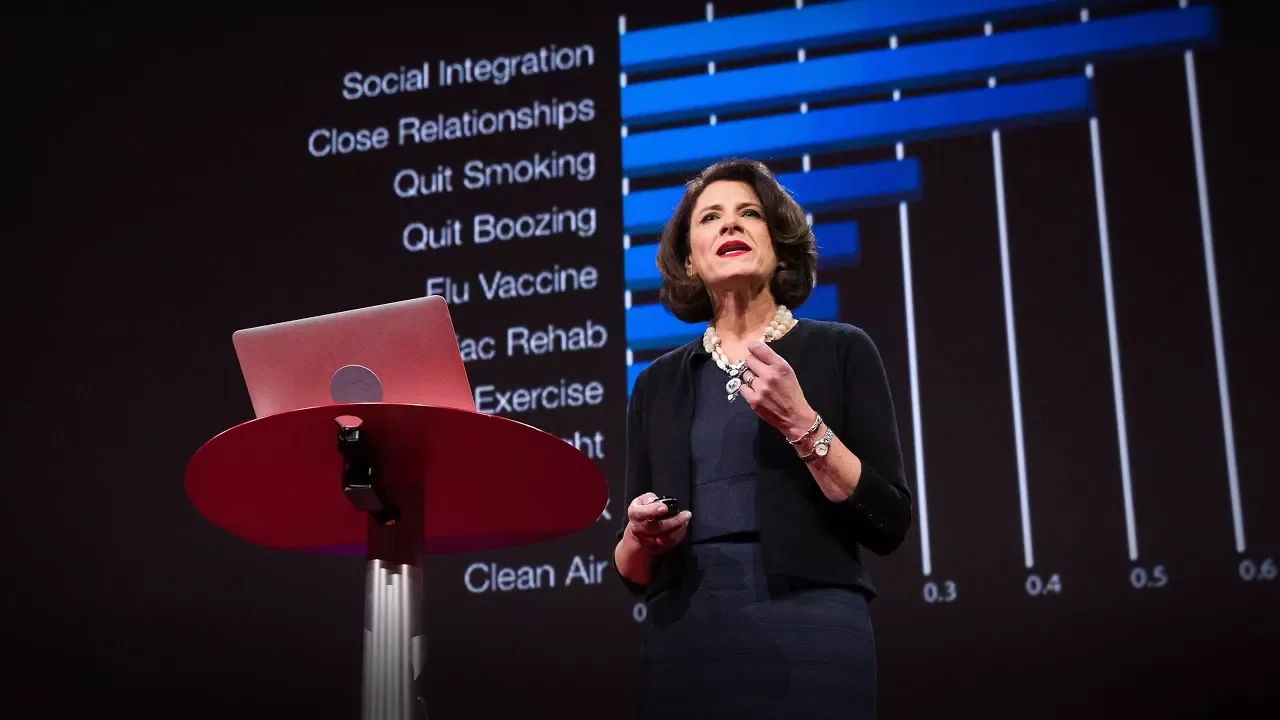
In her widely viewed TED talk, psychologist Susan Pinker explores what really helps people live longer, healthier lives. Her conclusion is surprisingly simple:
People with strong, consistent social connections live longer.
But it’s not just about having relationships — it’s about:
regular interaction
community belonging
real-world engagement
These are not abstract ideas. They are measurable, observable, and deeply human.
And yet, in many modern workplaces, they are missing.
Link to the original TED Talk video
The Workplace Connection Gap
Despite the rise of digital tools and remote work, many employees today feel:
disconnected from colleagues
unclear about where they belong
less engaged with their organisation
To address this, companies have invested in Employee Resource Groups (ERGs) and other internal communities.
These initiatives aim to:
foster belonging
support underrepresented groups
create spaces for shared identity and experience
On paper, they make perfect sense.
In practice, however, many organisations struggle with a fundamental question:
Are these communities actually working?
The Problem: Activity Without Clarity
Most ERGs are active.
They run:
events
talks
initiatives
discussions
But when it comes to understanding impact, things become unclear.
Leaders often don’t know:
who is participating
what engagement looks like over time
whether efforts are making a real difference
As a result:
ERGs risk being seen as “nice-to-have”
budgets are harder to justify
leaders lack confidence in their value
This is the paradox:
We know social connection matters — but we struggle to measure it.
Why This Matters More Than Ever
This isn’t just about engagement metrics.
If social connection is a driver of:
wellbeing
retention
long-term satisfaction
Then employee communities are not optional.
They are infrastructure.
But like any infrastructure, they need:
structure
visibility
accountability
Without that, even well-intentioned initiatives lose momentum.
From Community to Clarity
The next step for organisations is not to create more communities.
It’s to better understand the ones they already have.
That means being able to answer questions like:
Are people consistently participating?
Which initiatives drive the most engagement?
How does involvement change over time?
Where are communities thriving — and where are they struggling?
When you can see this clearly, everything changes.
Conversations with leadership become easier
Decisions become more informed
Communities become more sustainable
A New Standard for Employee Communities
As organisations evolve, so should the way we think about ERGs and internal communities.
They are not just:
cultural initiatives
engagement tools
optional programmes
They are part of how people experience work.
And if we accept that social connection plays a fundamental role in human wellbeing, then the question is no longer:
“Should we invest in communities?”
But rather:
“How do we ensure they are actually working?”
Final Thought
The science is clear: social connection matters.
The opportunity now is to bring that understanding into the workplace — not just in theory, but in practice.
Because building communities is only the first step.
Understanding them is what makes them truly valuable.